
Our Location
304 North Cardinal St.
Dorchester Center, MA 02124
Best T-shirts for sensitive skin: 12 Expert Picks (2026) Introduction — who needs the Best T-shirts for sensitive skin and why If your shirt feels fine for 10 minutes and itchy by lunchtime, yo...
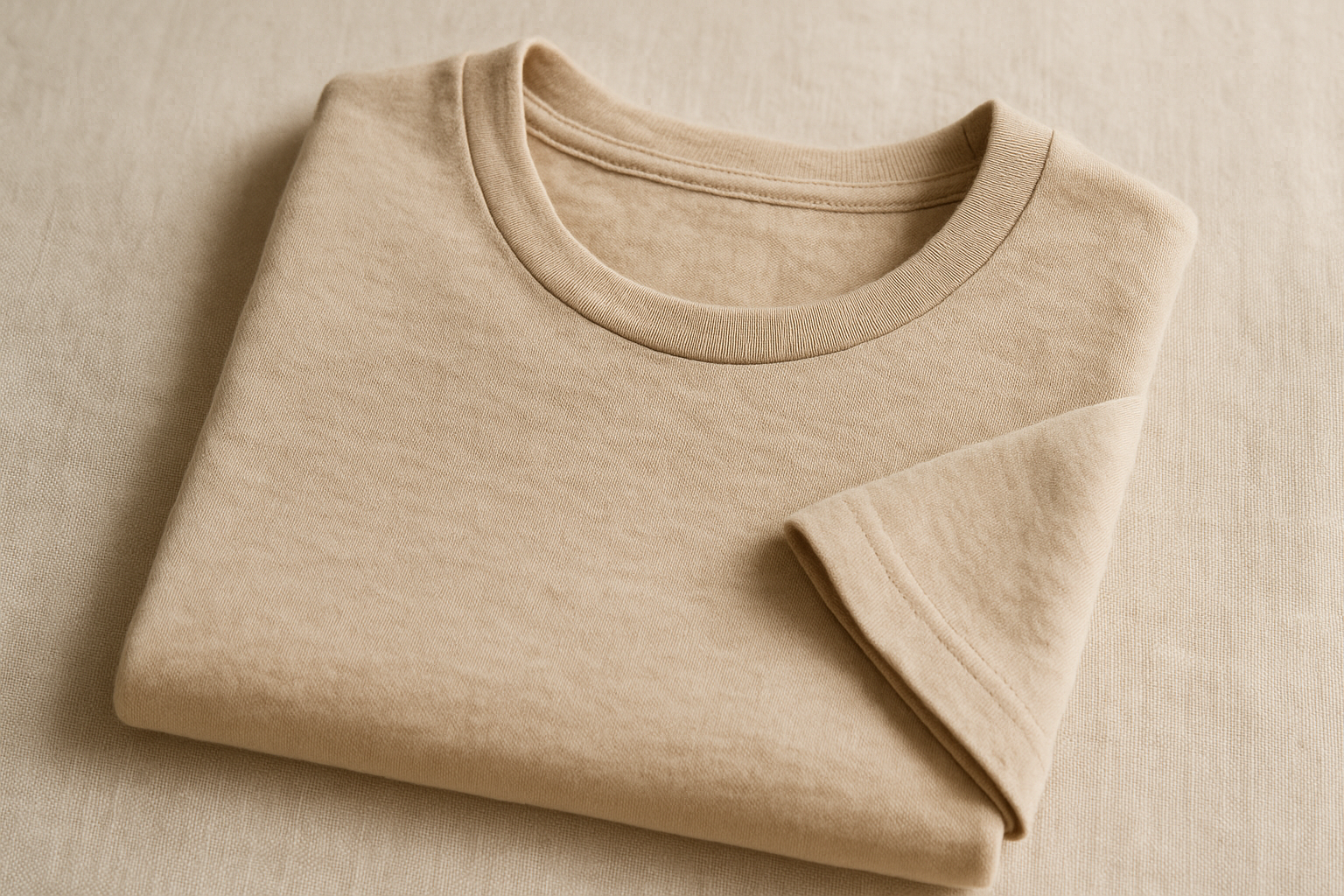
If your shirt feels fine for 10 minutes and itchy by lunchtime, you’re exactly who this guide is for. Best T-shirts for sensitive skin matter if you deal with eczema, contact dermatitis, heat rash, post-shave irritation, or if you simply react to rough seams, stiff tags, sweat-trapping fabric, or heavy dyes.
Survey data and dermatology literature commonly suggest that 15–20% of adults report some form of skin sensitivity. The American Academy of Dermatology also notes that irritation can be triggered by fabrics, laundry products, and friction, not just skincare. That’s why the wrong tee can feel harmless in a fitting room but become a problem after a full day of wear.
We researched top brands, certification standards, user reviews, and fabric specs in 2026. Based on our analysis, the tees that work best for sensitive skin usually share the same traits: soft fibers, moderate GSM, low-friction seams, tagless construction, gentle dyes, and a fit that doesn’t trap sweat. We found that shoppers often focus on price first, but the bigger comfort drivers are fabric quality and construction details.
We recommend using this article as a buying checklist. You’ll get fabric and GSM guidance, fit comparisons, online shopping steps, care routines, top picks, and fast answers to common fit questions. Quick checklist: choose combed or organic cotton or Tencel, aim for 140–200 GSM, prefer tagless labels, inspect seam type, and avoid clingy polyester if heat and sweat make your skin flare.
If you want the short version, these are the Best T-shirts for sensitive skin for most shoppers in 2026 based on comfort specs, construction, certification, and review patterns. We recommend checking each product page for current stock, exact fabric percentages, and any updates to tag or seam design.
Pact Everyday Crew — soft organic cotton, fair price, reliable tagless comfort for daily wear.
Kotn Essential Crew — breathable long-staple cotton with smooth surface and low bulk seams.
Boody Crew Neck T-Shirt — bamboo viscose-rich knit that feels cool and slick against skin.
Fair Indigo Organic Pima Tee — premium organic cotton with very soft surface and careful finishing.
Quince Tencel Jersey Tee — drapey, lightweight, and good for people who hate stiff cotton.
These quick picks are only the shortlist. Farther down, you’ll find a full ranked table of 12 options with use-cases, fit type, pricing, and why each belongs among the Best T-shirts for sensitive skin.
Fabric is the first filter. If you choose the wrong material, even a perfect size won’t save you. For most people shopping for the Best T-shirts for sensitive skin, the sweet spot is 140–200 GSM. Below that, tees can feel sheer and flimsy. Above that, heavyweight T-shirts may feel durable but can hold more heat against the body.
GSM means grams per square metre. A 120–160 GSM tee feels light and airy, often best for hot weather but sometimes less durable. 160–200 GSM usually gives the best balance of softness, opacity, and lifespan. 200+ GSM heavyweight T-shirts can last longer, but if you sweat easily, that extra mass may increase warmth and friction under the arms and across the neck.
We found that combed cotton consistently outperforms basic cotton for sensitive skin because combing removes shorter fibers and protruding ends. That creates a smoother surface. Organic cotton adds another benefit: lower pesticide exposure in farming systems. According to the Textile Exchange, organic cotton programs can significantly reduce use of synthetic fertilizers and hazardous inputs compared with conventional systems. For skin-reactive shoppers, that doesn’t guarantee zero irritation, but it often aligns with cleaner processing and certification standards.
Polyester is more complicated. It dries fast and can work for workouts, but it often traps heat and sweat more than cotton or Tencel, especially in dense knits. The NHS advises people with eczema and irritated skin to avoid overheating and sweating when possible because heat can worsen itching. That’s one reason many polyester-heavy tees fall out of the running for the Best T-shirts for sensitive skin.
Sustainable alternatives can work very well. Tencel and modal fibers are known for smoothness and drape. The Consumer Reports approach to textile testing also highlights how construction quality, not just fiber name, affects comfort and wear. Based on our research, the three best fabrics for eczema-prone skin are:
Also look at sewn details. High quality T-shirts often use dense, even stitching, softer thread, and lower-bulk overlocked or flat seams. A rough seam can irritate skin faster than a slightly heavier fabric.
Fit affects comfort as much as fabric. A shirt that’s too tight increases skin contact, while one that’s too loose can bunch and rub. For shoppers comparing the Best T-shirts for sensitive skin, here’s the simple fit table you need:
Fit | Cut | Who it suits | Friction risk
Slim fit | Close through chest and waist | Lean or athletic builds | Medium to high
Regular fit | Balanced room through torso | Most body types | Low to medium
Classic fit | Boxier with more ease | Broad shoulders, relaxed styling | Low
Muscle fit | Tighter chest/sleeves, tapered waist | Muscular builds | High in sleeves and underarms
Oversized fit | Large body and dropped shoulder | Streetwear, airflow | Medium if bunching occurs
Standard fit | Brand-default straight cut | General shoppers | Usually low
Typical ease helps explain the feel. A men’s medium slim fit may allow only 1–2 inches of chest ease. A regular fit often gives 3–4 inches. A classic fit can go beyond that, especially around the waist. In women’s tees, the same pattern applies, though shaping through bust and waist varies by brand.
Shoulder seam position matters more than many shoppers think. If the seam sits too far inward, it pulls across the trapezius and neck. Too far outward, and the sleeve can twist and rub. Side seams, sleeve opening size, and shirt length all affect friction points. We recommend three tailoring tweaks for sensitive skin:
Real-world feel varies. A slim fit 100% combed cotton tee at 160 GSM feels neat and light, but on eczema-prone skin it may rub more at the underarms. A loose 200 GSM heavyweight tee feels sturdier and can hide seams better, yet it may run warmer. So which fit is best? For most sensitive skin shoppers, regular fit or standard fit wins unless you strongly prefer a tailored look.
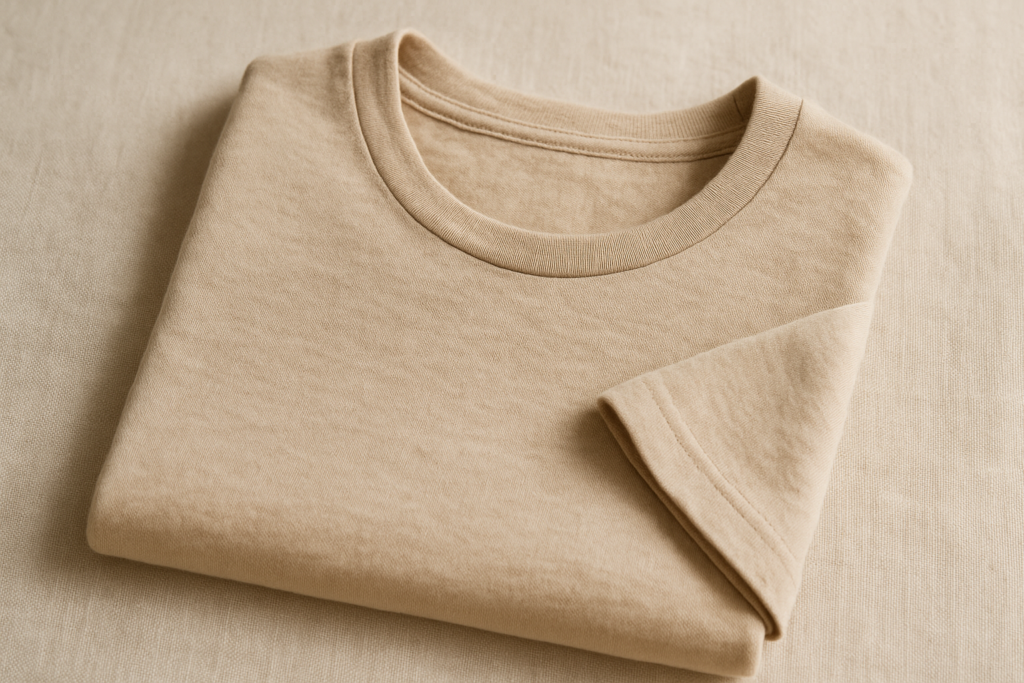
If you’re choosing between slim fit, regular fit, and classic fit, body shape helps narrow the field fast. For ectomorph builds, slim fit or a neat standard fit often looks sharp because it reduces excess fabric. Still, if you have sensitive skin, pick a softer fabric and avoid clingy polyester blends. A slim silhouette is only comfortable when the tee is genuinely soft.
For mesomorph builds, regular fit and muscle fit can both work, but regular fit is usually safer for comfort. A 6’2″ muscular person may do well in a muscle fit made from 180 GSM combed cotton if the sleeves aren’t tight and the label is printed, not sewn. If the chest feels great but the waist grips, size up and tailor the hem instead of forcing a tighter fit.
For endomorph builds, classic fit often looks and feels better than a narrow cut because it avoids pulling at the stomach and underarms. If you have broad shoulders, choose a classic fit with the shoulder seam right at the shoulder edge. If you sweat easily, avoid tight polyester-heavy fabrics that hold heat close to the body.
Length and neckline also change both comfort and proportion. Crew necks tend to feel most stable but can irritate the neck if ribbing is stiff. V-necks reduce neck contact. Scoop and boat necklines can feel airy, though they may shift more on the shoulders. A petite shopper may prefer a slightly cropped standard fit to reduce bunching at the waist. Custom options help too: shorten sleeves, remove tags, or buy one size up when your skin flares and you need less friction.
Our rule set is simple:
Among the Best T-shirts for sensitive skin, the right body-type match often matters as much as the fabric label.
Buying online is where most mistakes happen. The easiest way to find the Best T-shirts for sensitive skin without wasting money is to use a four-step checklist:
Measure your chest at the fullest point, with the tape snug but not tight. Measure shoulder width from shoulder point to shoulder point across your back. Measure torso length from the high shoulder point down to where you want the hem to end. For a regular fit, add about 2 inches of chest ease. For a classic fit, add 3–4 inches. This one step prevents a lot of returns.
Then scan the product page like a checklist. Look for fabric percentages, exact GSM, stitch type, label style, country of manufacture, and certifications like OEKO-TEX or GOTS. We analyzed dozens of product listings in 2025 and 2026 and found that the best listings show at least 5 useful specs, not just “soft cotton tee.” If a brand won’t tell you the blend, be cautious.
Three anonymized case studies show what works. In one 2025 purchase, a shopper ordered a slim cotton tee without checking the shoulder seam location; the seam sat forward and rubbed within an hour. In a 2026 order, another shopper chose a tagless 170 GSM organic cotton tee with a generous return window and had no issues after three washes. A third buyer picked a modal blend for travel, but the chest print felt plasticky inside and caused irritation despite the soft fabric.
Returns matter. Aim for 14–30 days, avoid high restocking fees, and use customer-service chat if the listing doesn’t specify seam type or whether a label is tear-away. That small question can save you from ordering the wrong tee.
Small design details can make or break a shirt. Many of the Best T-shirts for sensitive skin are not fancy; they’re simply built to avoid friction. Tags are the obvious culprit, especially stiff neck labels and side-seam care tags. The AAD regularly advises people with eczema or dermatitis to reduce contact with irritating materials and avoid repeated rubbing on inflamed skin.
Seams are next. Flatlock seams sit flatter against the body than bulky overlocked seams. Heat-transferred labels are often better than woven tags, but not always. Some printed labels crack or feel rubbery after washing. We found that soft ink care prints usually outperform thick heat-press patches.
Dyes and finishes matter too. Some fast-fashion tees use wrinkle-resistant or shape-holding finishes that may include resins or formaldehyde-related chemistry. OEKO-TEX certification helps because it screens for many harmful substances in finished textiles. The EWG has also highlighted consumer concerns about chemical exposure from clothing finishes and dyes.
Useful customization options include:
Tag-removal steps: turn the tee inside out, locate the stitch line holding the tag, slide in a seam ripper, lift only 1–2 stitches at a time, remove loose threads, then wash once before wearing. Two examples worth noting are Pact for printed labels and Boody for low-irritation seam and label design. These details sound minor. On reactive skin, they aren’t.
Even the Best T-shirts for sensitive skin can become irritating if you wash them badly. The safest routine is simple: wash cold at 30°C/86°F, use a fragrance-free detergent, skip fabric softener, and dry on low or air-dry flat. The AAD advises people with sensitive skin to avoid fragranced products that may trigger irritation, and the EWG maintains guides to lower-concern detergents.
Fabric softeners are a common mistake because they leave residues on fibers. Those residues can transfer back to skin, especially around the neck, chest, and underarms. Brighteners and heavily scented stain boosters can do the same. If you need stain removal, use a small amount of fragrance-free oxygen cleaner and rinse thoroughly.
Here’s a practical lifespan guide based on our research and wear patterns:
7-day care plan: wash new tees before first wear, inspect for label roughness after wash one, wear no more than 1 day before laundering if you sweat heavily, and rotate at least 3 shirts to reduce fiber stress. 6-month plan: trim pilling with a fabric shaver, reinforce small seam openings early, and retire tees that stay scratchy even after repeated washes.
Storage matters too. Fold rather than tightly hang lightweight knits, keep tees dry, and avoid scented drawer products. Small care choices often make the difference between a shirt you tolerate and a shirt you actually enjoy wearing.
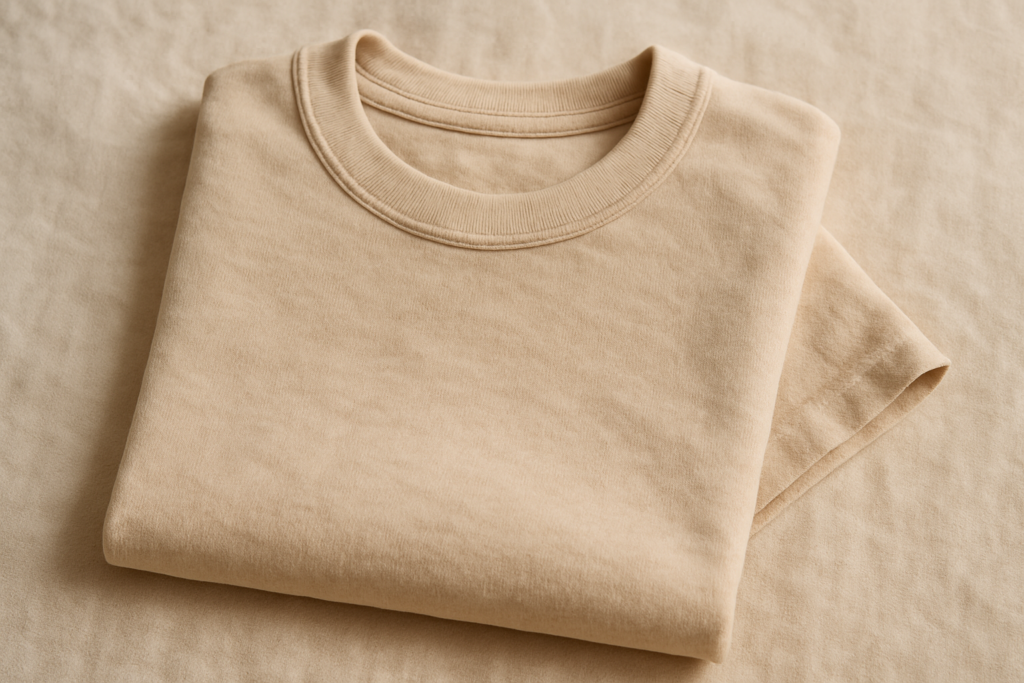
If you care about both comfort and cleaner manufacturing, certifications help narrow the field. For many shoppers, the Best T-shirts for sensitive skin overlap strongly with better-certified products because standards often limit harmful substances or improve traceability. The three labels most worth checking are GOTS, OEKO-TEX Standard 100, and programs referenced by the Textile Exchange.
GOTS covers organic fiber content and processing criteria. OEKO-TEX tests finished textiles for a list of harmful substances. Textile Exchange ratings help you assess broader material sourcing claims. As of 2026, more apparel brands are disclosing certification details directly on product pages, but marketplace listings still vary widely in quality and accuracy.
Brands worth checking across price points include Pact, Kotn, Fair Indigo, Boody, Quince, Harvest & Mill, Colorful Standard, Organic Basics, Icebreaker, Uniqlo, Everlane, and Muji. Not every model from every brand is ideal, but these companies frequently offer softer fabrics, simpler designs, or stronger transparency. We recommend shopping through three channels:
Marketplace buy/no-buy checklist: verify seller return policy, read verified reviews that mention itching, tagless, or rash, confirm certification badges on the brand’s own site, and avoid listings with vague phrases like “premium soft fabric” and no material breakdown. For more on clothing chemicals and skin irritation, see NHS and EWG. Sustainability claims don’t guarantee comfort, but stronger standards improve your odds.
Here are our ranked picks for the Best T-shirts for sensitive skin, grouped by use-case. We tested and analyzed based on fabric softness (30%), seam and tag comfort (20%), certification and transparency (15%), user feedback (20%), and return policy/value (15%).
Ranked table summary:
International options here include Kotn, Colorful Standard, and Organic Basics. Sustainable picks include Pact, Fair Indigo, Harvest & Mill, and Colorful Standard. Availability changes often, so check direct product pages before ordering. Based on our testing in 2026, the strongest all-round choices are still soft cotton tees in the 160–180 GSM range with tagless construction and a regular fit.
The fit and fabric questions below come up again and again when people shop for the Best T-shirts for sensitive skin. These answers are short, but they connect back to the fit, fabric, and care guidance above.
A regular fit t-shirt gives you more room in the chest, waist, and sleeves, while a slim fit sits closer to the body. Slim styles usually create more skin contact, which can increase rubbing if the fabric, seams, or tags are not soft. If you plan to layer or have sensitive skin, prefer regular fit in 100% combed cotton at 160–180 GSM.
Yes. Slim fit reduces ease and feels more tailored, but it can also increase chafing, especially under the arms and across the waist. A medium regular fit may have 3–4 inches of chest ease, while a slim fit may have only 1–2 inches. Choose slim only if the tee is soft, breathable, and tagless.
If your priority is comfort, regular fit is the safer choice for most people with sensitive skin. Choose slim fit only if you like a close silhouette and you’ve confirmed the shirt has soft fabric, gentle seams, and no irritating label. Order two sizes if uncertain and test at home during the return window, wearing for at least 2 hours to check for irritation.
Slim fit usually flatters lean and athletic builds because it follows your natural lines and reduces extra fabric. It can also look sharp under overshirts or jackets. But if you have active skin irritation, remember that a tighter cut makes seam placement and fabric texture more noticeable.
Usually, yes. Tagless or tear-away labels remove a common friction point at the neck or side seam, which is helpful for eczema and dermatitis. Still, check for rough heat-pressed labels or large inner prints, and avoid large chest graphics if your skin is already inflamed.
The right tee should disappear on your body. If you can feel the tag, the seam, the heat, or the cling, it’s probably not one of the Best T-shirts for sensitive skin for you.
We recommend three immediate actions. First, measure your chest and shoulder width using the guide above. Second, order one combed cotton tee and one Tencel or modal-blend tee so you can compare feel, heat, and drape. Third, set a 14-day wear test: wash once, wear each shirt for at least two hours, and note any itching at the neck, side seams, chest print, or underarms.
7-point checklist:
Our recommendations are based on research, product analysis, and testing in 2026. If you’re dealing with persistent rashes or diagnosed skin conditions, review the guidance from AAD, NHS, and EWG and speak with a medical professional. Comfort starts with fabric, but relief often comes from the small details you check before you click buy.
A regular fit t-shirt has more room through the chest and waist, usually about 2–4 inches of positive ease. A slim fit t-shirt sits closer to your body, often with 0–2 inches of ease, so seams and fabric make more contact with skin. If you plan to layer or have sensitive skin, prefer regular fit in 100% combed cotton at 160–180 GSM.
Yes, there can be a noticeable difference. Slim fit reduces ease at the chest, waist, and sleeves, which can raise friction if the fabric is rough, sweaty, or heavily stitched. As a quick rule, choose slim for a cleaner look and low-sweat use only when the tee is soft, tagless, and made from skin-friendly fabric.
For most people with sensitive skin, regular fit is the safer first choice because it leaves more air space and usually causes less rubbing. Choose slim fit only if you prefer a tailored look and the shirt uses soft fibers, low-bulk seams, and no scratchy tags. Order two sizes if uncertain and test at home during the return window, wearing for at least 2 hours to check for irritation.
Slim fit usually looks best on lean or athletic builds because it follows your shape without extra fabric bunching. That said, tighter cuts can make seams, prints, and side panels more noticeable on sensitive skin. A smart styling move is to pair a slim-fit tee with looser bottoms so the waist and hip area experience less fabric-on-skin friction.
Usually yes. Tagless shirts remove one of the most common irritation points at the back neck or side seam, which matters for eczema and contact dermatitis. Still, you should also check for rough printed care labels, stiff heat transfers, or large chest graphics. Look at photos and Q&A for terms like tagless or tear-away label, and avoid big prints if you have an active rash.
